
Day 2: October 28
Noon session 1
How Ecology Supports Community Engagement
Please join us to learn about community engagement at the Department of Ecology, Washington's state environmental regulatory agency. Staff from Ecology's Office of Equity and Environmental Justice will share perspective from their roles supporting community engagement in the agency's environmental programs. Presenters will provide an overview of Ecology's community engagement, including insights into how the agency plans and coordinates engagement behind the scenes. Presenters will also highlight services that can help make engagement more inclusive and accessible, and suggestions for how community members can engage impactfully on environmental issues that are important to them.
Noon Session 2
Community Gardens: Gateway to Science in Community
In its best form, science is the process of making observations and tracking those observations for the purpose of connecting. Connecting to solutions, ideas, new questions. This session asks: What place do you care about? What questions or wonderings keep coming for you? What have you been noticing? Where do you want to connect or disconnect?
S2 & Partners will use local examples of how Community Gardens can function as a gateway, catalyst, or bridge for science to become a community process. We invite you to bring your place, observation, or questions and together we will anchor on common starting points and strategies while anchoring and placing our work within real-world systems and spheres of influence, impact, and agency.
What You’ll Learn
Basics of engaging in science in community as an individual or group
Ideas of where to start and how—this is will also be a group exploration
Hopefully, you’ll also learn that you have more agency than you thought.
Speaker
Meilani Lanier-Kamaha’o, Executive Director
Noon Session 3
Understanding Lead Exposure: From Community Awareness to Public Health Action
Lead exposure remains an important environmental health concern for families and communities, including those living near airports and other potential sources of pollution. Join the King County International Airport Community Coalition and Public Health – Seattle & King County to learn about sources of lead exposure, childhood blood lead testing, and how public health professionals work with families to identify and reduce exposure risks. The session will also explore how community partnerships, culturally responsive outreach, and research can help connect residents with resources and strengthen prevention efforts. You will leave with practical information about testing, public health services, and opportunities to take action in your communities.
What You’ll Learn
You will gain a better understanding of common sources of lead exposure, including leaded aviation fuel, household materials, and consumer products, as well as the importance of childhood blood lead testing and early prevention. The session will explore how Public Health – Seattle & King County works with families to identify sources of exposure, reduce ongoing health risks, and connect residents with appropriate services. You will also learn how culturally responsive outreach, community navigators, and partnerships with local organizations help improve access to public health resources. Through practical examples, you will discover ways to access testing and prevention services, raise community concerns, and take meaningful steps to protect your families and communities from lead exposure.
SpeakerS

Sameth Mell is a community advocate and consultant working at the intersection of environmental justice, public policy, and community engagement. He works with the King County International Airport Community Coalition (KCIACC) to advance community education, environmental health awareness, and advocacy around airport-related impacts. For this session, Sameth will share key findings from Dr. Elena Austin’s research on leaded aviation fuel and its potential impacts on surrounding communities.
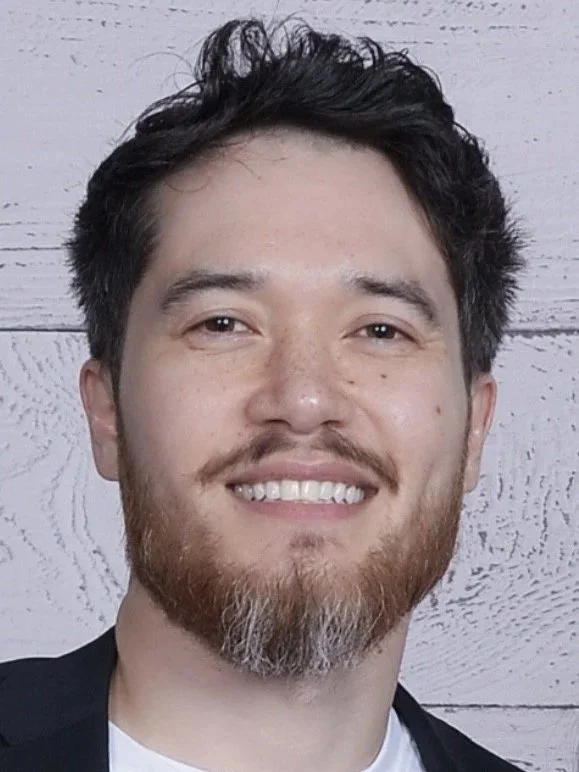
Matt Sykora has served as a Health & Environmental Investigator for Public Health – Seattle & King County since 2015, with a focus on childhood lead prevention for the past seven years. His previous work includes on-site septic inspections and design reviews, as well as safety oversight of projects at Bremerton Naval Shipyard. He is a proud University of Washington alum, having earned his BS in Environmental Health in 2011. Outside of work, Matt enjoys spending time outdoors camping, but as the weather turns cooler this time of year, he especially enjoys staying in, gaming or watching movies with his wife, Stephanie, and their dog, Chewie.
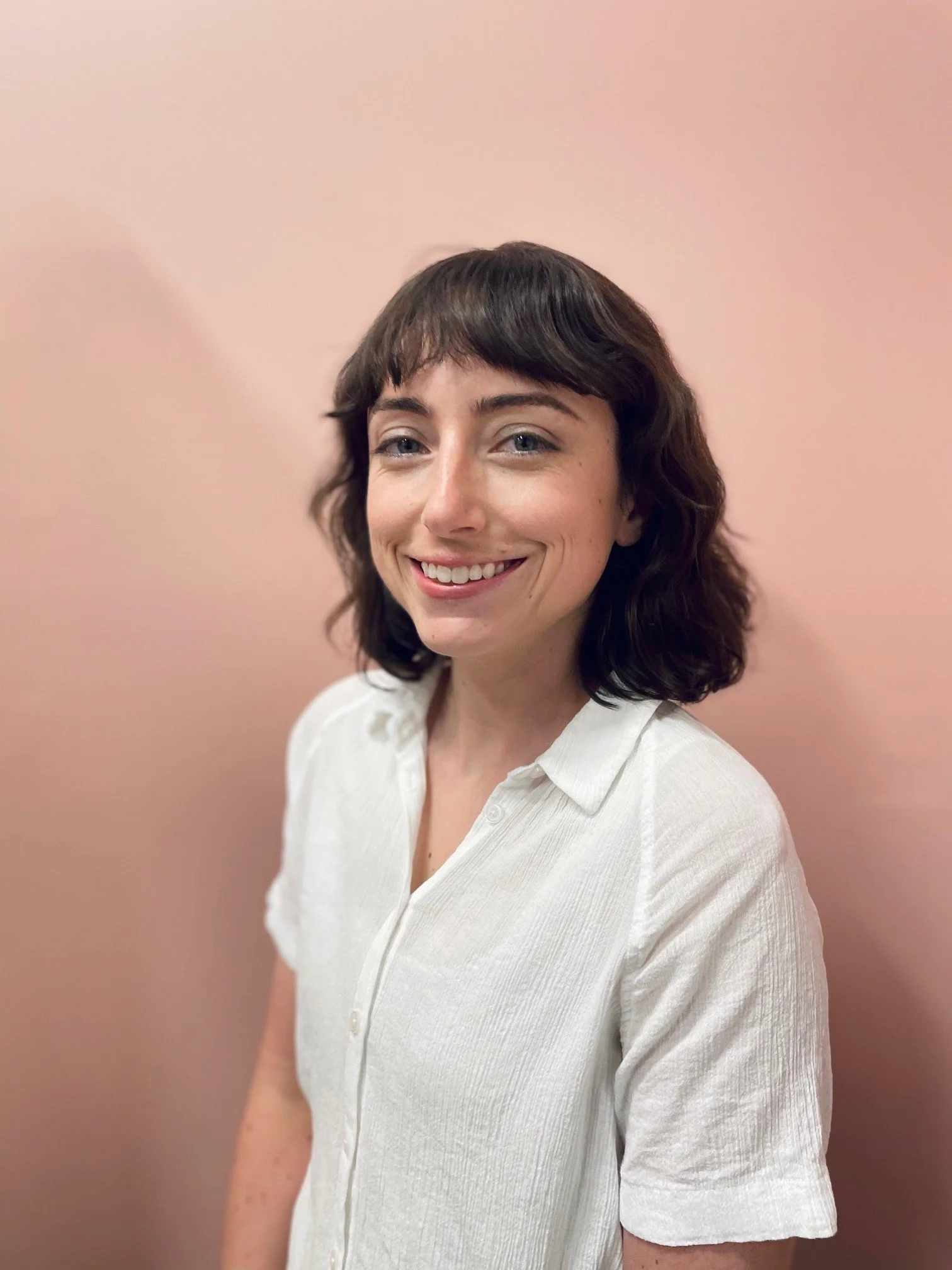
Ashley Bullock is an Educator Consultant with the Best Starts for Kids Lead and Toxics Program. For the last six years, her work has focused on supporting community-driven solutions to lead exposure and increasing blood lead testing in King County. Prior to joining Public Health - Seattle & King County, she worked in workforce development and adult education for public health professionals at the Northwest Center for Public Health Practice. She has her MPH from the University of Washington’s Community Oriented Public Health Practice Program. Ashley enjoys sewing and embroidery as well as adventuring around King County with her daughter and husband.
Resources
A Public Health–Community Partnership to Address Lead Poisoning in King County, Washington: A 2025 research article highlighting a partnership between King County's Hazardous Waste Management Program and Afghan Health Initiative to improve childhood lead poisoning prevention through culturally responsive community outreach.
FAA Transition Plan to Unleaded Aviation Gasoline (July 2026): A federal planning document outlining the transition away from leaded aviation gasoline.
Northwest Pediatric Environmental Health Specialty Unit (PEHSU): A University of Washington-based resource providing expertise, educational materials, and consultation on children's environmental health, including lead exposure. For information about community-based blood lead testing opportunities, contact PEHSU at pehsu@uw.edu or 206-221-8671.
Keeping Your Family Safe: Lead in Aviation Fuel: Developed by the University of Washington's Center for Environmental Health Equity, this fact sheet explains how leaded aviation fuel used by small aircraft can contribute to air pollution and pose health risks to communities near airports, particularly children.Key facts about lead exposure, childhood blood lead testing, and the importance of protecting families from environmental health risks.
6:30 PM
Municipal Airports & Community Partnerships: Building Trust, Engagement, and Accountability
How can municipal airports and surrounding communities work together to address environmental concerns, improve communication, and build partnerships? Join representatives from the King County International Airport Community Coalition (KCIACC) and King County International Airport (KCIA) for a conversation about the opportunities and challenges of building stronger relationships between airport leadership and neighboring communities. We will explore community engagement, environmental and public health concerns, transparency, and the importance of including residents in decisions that affect their neighborhoods. Panelists will share perspectives on existing relationships, opportunities for collaboration, and practical ways to strengthen community participation and accountability.
What You’ll Learn
You will learn how municipal airports and surrounding communities can build stronger relationships through meaningful engagement, transparency, and accountability. The session will explore ways residents can raise concerns about aircraft noise, air pollution, and other environmental and public health impacts while participating in airport planning and decision-making. You will also gain insights into practical approaches for improving communication, building public trust, and creating opportunities for collaboration between airport leadership and community organizations to address shared priorities.
SpeakerS
Velma Veloria
Born in the Philippines, Velma Veloria is a former Washington State Representative and longtime community activist with more than 30 years of experience advocating for social justice, workers' rights, affordable housing, and environmental justice. In 1992, she became the first Filipina American elected to a state legislature in the continental United States, representing Washington's 11th Legislative District from 1993 to 2004. During her legislative career, she championed policies addressing human trafficking, economic opportunity, and community well-being. Today, Velma serves as the Community Relations Specialist for the Filipino Community of Seattle and Chair of the King County International Airport Community Coalition (KCIACC), where she advocates for community engagement, environmental health, and accountability in airport operations. A longtime Beacon Hill resident, she continues to work toward stronger, healthier, and more equitable communities. Velma also serves on the King County Airport Roundtable Advisory Committee, representing Beacon Hill.
Holly Krejci
Holly Krejci has lived in Seattle’s Georgetown neighborhood, directly across from King County International Airport–Boeing Field, for more than 20 years. With more than 14 years of City of Seattle public service experience—including roles with City Council, the Mayor’s Office, and the Seattle Department of Transportation—she brings an insider’s understanding of government and a deep commitment to community engagement. As a member of the King County International Airport Community Coalition and KCIA Roundtable, Holly is passionate about ensuring everyone has the opportunity to enjoy a healthy, high-quality life, no matter where they live. A certified coach and facilitator and longtime youth soccer coach, she believes in bringing people together to create positive change. When she’s not attending community meetings, you’ll likely find her in the garden and hanging with her doggos.